Adelaide Wheelie Bins

The Ultimate Guide to Construction Waste Management in Adelaide

Construction and demolition projects generate significant amounts of waste, but managing it responsibly is crucial for protecting the environment, complying with regulations, and reducing project costs. This guide provides everything you need to know about construction waste management in Adelaide, from what materials are accepted to how to dispose of them properly.

Understanding Construction Waste

Construction and demolition (C&D) waste makes up approximately 40% of Australia's total waste stream. This includes materials from:

  • New construction projects
  • Renovations and remodeling
  • Demolition of buildings and structures
  • Road and infrastructure projects
  • Landscaping and site preparation

With proper management, up to 90% of construction waste can be recycled or reused, significantly reducing environmental impact and disposal costs.
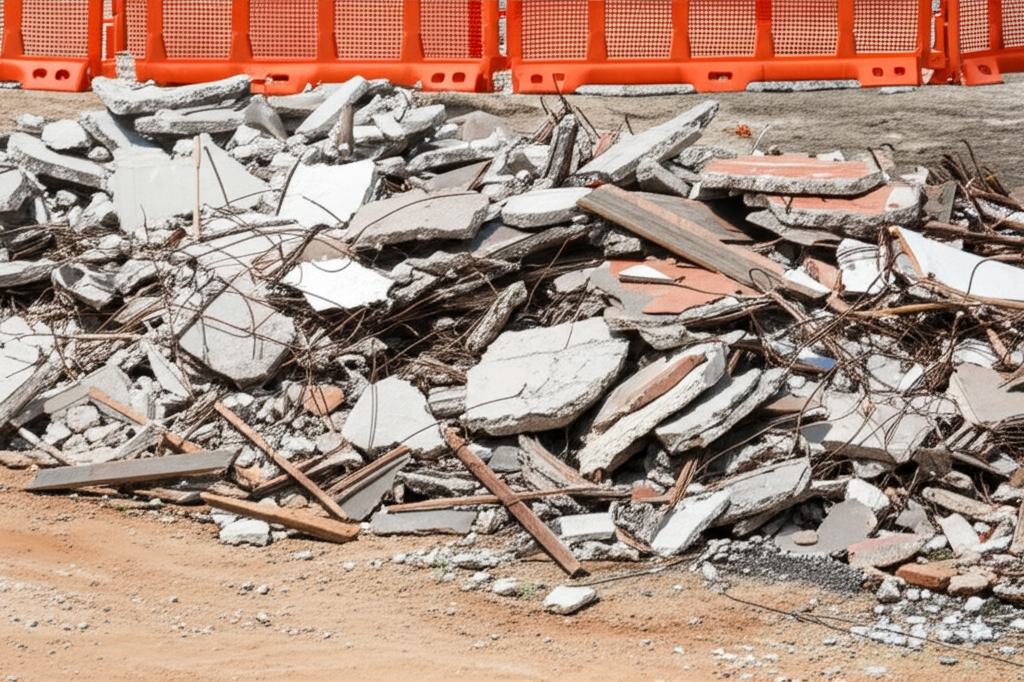
Construction waste materials at a building site

Recyclable Construction Materials

Many construction materials can be recycled in Adelaide, helping to reduce landfill waste and conserve resources:

  • Concrete, brick, and masonry (can be crushed and reused as aggregate)
  • Untreated timber and wood products
  • Metal scraps (steel, aluminum, copper)
  • Plasterboard and gypsum products
  • Cardboard and paper packaging
  • Glass (windows, mirrors)
  • Plastic pipes and packaging (check with your waste provider)
  • Asphalt and bitumen

Non-Recyclable & Hazardous Materials

Some construction materials require special handling and disposal methods:

  • Asbestos - Requires licensed removal and disposal at designated facilities
  • Treated timber (CCA, creosote, etc.)
  • Paints, solvents, and adhesives
  • Contaminated soils
  • Insulation materials (some types)
  • Lead-based paint and materials
  • Fluorescent lights and electrical waste

Important Asbestos Warning

Asbestos is commonly found in buildings constructed before 1990. Always have suspected asbestos-containing materials tested before disturbing them, and only use licensed asbestos removalists.

Best Practices for Construction Waste Management

Planning Phase

  • Conduct a waste audit to estimate types and quantities of waste
  • Develop a site-specific waste management plan
  • Design with standard material sizes to minimize offcuts
  • Consider using prefabricated components to reduce on-site waste
  • Research local recycling facilities and their requirements

During Construction

  • Set up separate bins for different waste streams
  • Train workers on proper waste sorting procedures
  • Store materials properly to prevent damage and waste
  • Reuse materials on-site when possible
  • Schedule regular waste collections to maintain site cleanliness

Demolition Best Practices

  • Conduct pre-demolition audits to identify recyclable materials
  • Consider deconstruction instead of demolition where feasible
  • Salvage reusable items like doors, windows, and fixtures
  • Separate materials during demolition for easier recycling
  • Test for hazardous materials before beginning work

Documentation

  • Track waste quantities and disposal methods
  • Obtain waste disposal receipts and certificates
  • Document recycling rates for project sustainability goals
  • Keep records of hazardous waste disposal

Regulatory Requirements in South Australia

Construction waste management in South Australia is governed by several regulations:

  • Environment Protection Act 1993 - Sets the framework for waste management and pollution prevention
  • Environment Protection (Waste to Resources) Policy 2010 - Promotes waste avoidance and resource recovery
  • Development Act 1993 - May require waste management plans for certain developments
  • Work Health and Safety Act 2012 - Covers safe handling of construction materials and waste

Non-compliance with these regulations can result in significant penalties, including fines and prosecution.

Waste Levy

South Australia imposes a waste levy on waste disposed to landfill. The current rates are:

  • Metropolitan Adelaide: $149 per tonne
  • Regional areas: $74.50 per tonne

This levy provides a strong financial incentive to reduce, reuse, and recycle construction waste rather than sending it to landfill.

Construction Waste Disposal Options in Adelaide

Resource Recovery Centers

These facilities accept sorted construction waste for recycling:

  • Integrated Waste Services - Wingfield
    Hanson Road, Wingfield
    Accepts: Concrete, brick, soil, timber, metal
  • SUEZ Resource Co - Wingfield
    Corner of Hanson Road & Pelican Point Road, Wingfield
    Accepts: Mixed construction waste, concrete, timber
  • Adelaide Resource Recovery
    Hanson Road, Dry Creek
    Accepts: Concrete, brick, asphalt, soil, mixed C&D waste

Skip Bin and Collection Services

Adelaide Wheelie Bins offers a range of waste collection services for construction projects:

  • Skip bins in various sizes (2m³ to 30m³)
  • Dedicated bins for specific waste streams
  • Regular scheduled collections
  • One-off collections for project completion
  • Waste sorting and recycling services

Our team can help you develop a waste management plan tailored to your project's specific needs and ensure compliance with all relevant regulations.

Learn more about our construction waste services

Benefits of Proper Construction Waste Management

Environmental Benefits

  • Reduces landfill waste
  • Conserves natural resources
  • Lowers greenhouse gas emissions
  • Minimizes pollution from waste disposal
  • Preserves land that would be used for landfills

Economic Benefits

  • Reduces waste disposal costs
  • Avoids landfill levy charges
  • Potential revenue from salvaged materials
  • Improves project efficiency
  • May qualify for green building certifications
  • Enhances company reputation

Social Benefits

  • Creates jobs in recycling and reprocessing
  • Reduces community impact from landfills
  • Improves site safety and cleanliness
  • Demonstrates corporate social responsibility
  • Contributes to sustainable development goals

Did You Know?

Recycling one tonne of concrete saves approximately 900 kg of CO₂ emissions compared to producing new concrete.

Up to 90% of construction waste can be recycled or reused, significantly reducing the environmental footprint of construction projects.

Our Construction Waste Management Services

Adelaide Wheelie Bins offers comprehensive construction waste management solutions for projects of all sizes:

  • Waste management planning and consultation
  • Skip bin hire in various sizes
  • Dedicated bins for different waste streams
  • Regular or on-demand collections
  • Waste sorting and recycling services
  • Compliance documentation and reporting
  • Competitive pricing with transparent fees

Our team has extensive experience working with construction companies, demolition contractors, and renovation specialists throughout Adelaide.
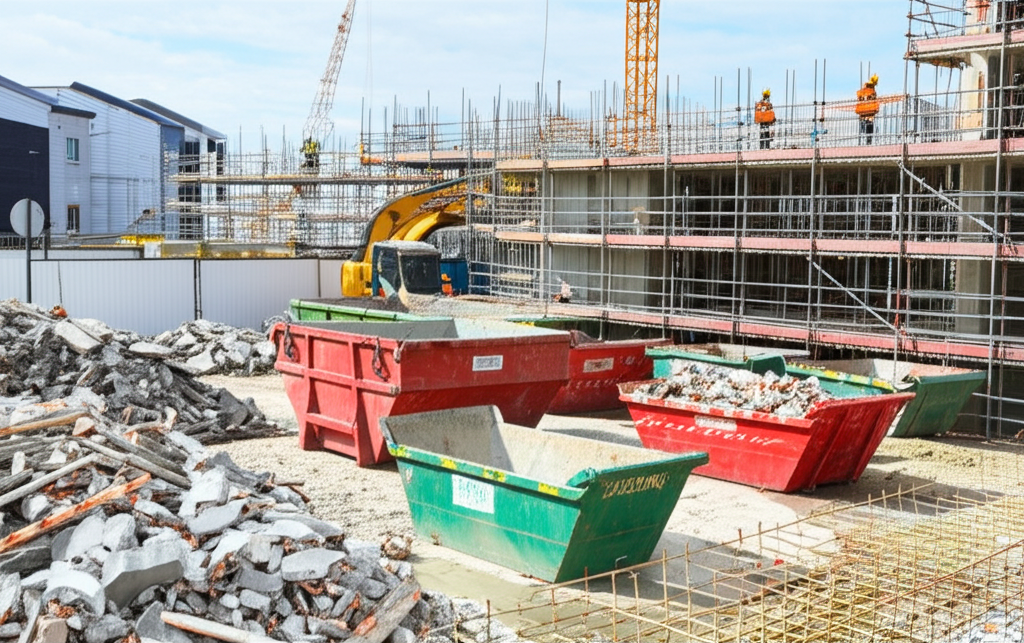
Construction waste bins at a building site

Ready to Manage Your Construction Waste Responsibly?

Contact Adelaide Wheelie Bins today for a customized waste management solution for your construction project.