Adelaide Wheelie Bins

The Ultimate Guide to Garden Waste Management in Adelaide

Garden waste makes up a significant portion of household waste in Adelaide. When managed properly, garden waste can be transformed into valuable resources for your garden rather than ending up in landfill. This guide will help you understand how to manage your garden waste effectively and sustainably.

Understanding Garden Waste

Garden waste includes all organic material generated from maintaining your garden and outdoor spaces:

  • Grass clippings
  • Leaves and small branches
  • Prunings from trees and shrubs
  • Weeds and plant trimmings
  • Flowers and dead plants
  • Small amounts of soil

When sent to landfill, garden waste produces methane, a potent greenhouse gas. By managing garden waste properly, you can reduce your environmental impact and create valuable resources for your garden.
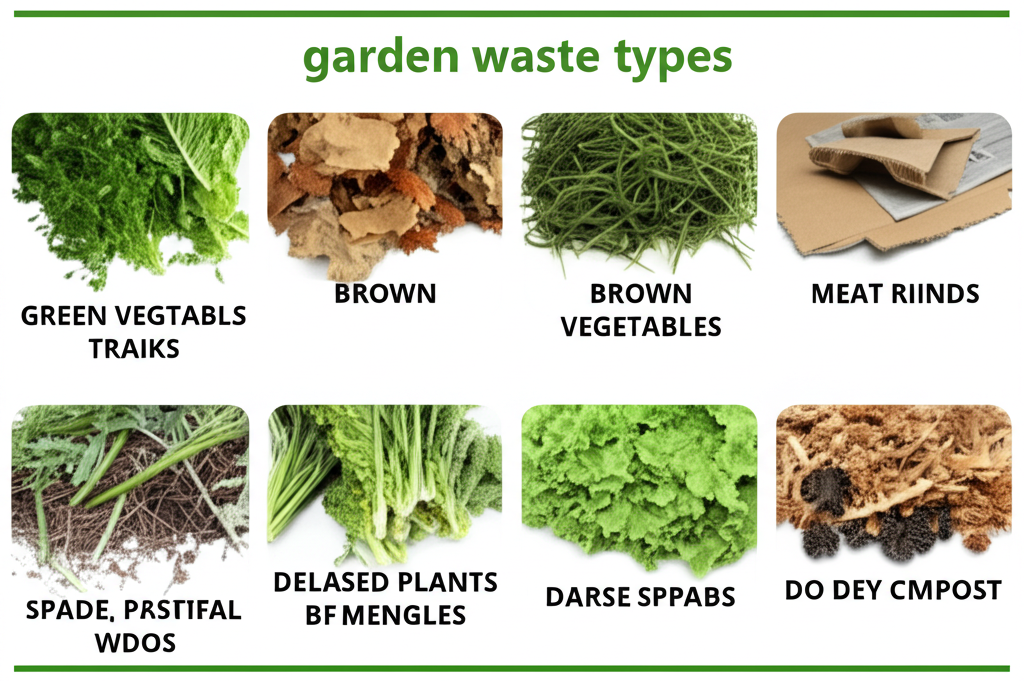
Various types of garden waste including leaves, branches, and grass clippings

What Goes in Your Green Organics Bin

In Adelaide, the green-lid organics bin accepts a wide range of garden materials:

  • Grass clippings
  • Leaves and small branches
  • Prunings and plant trimmings
  • Weeds (preferably without seeds)
  • Small amounts of soil
  • Food scraps (in councils with FOGO collection)
  • Paper towels and napkins

Note: Some councils in Adelaide now offer Food Organics Garden Organics (FOGO) collection, allowing food scraps to be placed in the green bin.

What Doesn't Go in Your Green Organics Bin

These items should NOT be placed in your green organics bin:

  • Plastic bags (even those labeled "biodegradable")
  • Treated timber or painted wood
  • Large branches or tree trunks
  • Building materials or rubble
  • Plant pots or garden tools
  • Diseased plants (in some cases)
  • Pet waste or cat litter

Contamination in green organics bins can affect the quality of the compost produced.

Composting and Mulching

Home Composting

Composting is an excellent way to recycle garden waste and create nutrient-rich soil for your garden:

  • Choose a suitable location in your garden for your compost bin or heap
  • Layer green materials (grass clippings, food scraps) with brown materials (leaves, small twigs)
  • Turn your compost regularly to aerate it
  • Keep the compost moist but not wet
  • Finished compost should be dark, crumbly, and smell earthy

Mulching

Mulching involves placing organic materials on the soil surface to conserve moisture and suppress weeds:

  • Grass clippings can be left on the lawn to return nutrients to the soil
  • Leaves can be shredded and used as mulch around plants
  • Wood chips and bark make excellent long-lasting mulch
  • Apply mulch 5-10cm thick, keeping it away from plant stems
  • Refresh mulch as it breaks down over time

Garden Waste Collection Services

Council Green Bin Collection

Most Adelaide councils provide green organics bins with fortnightly collection:

  • Standard 240L green bins are provided by most councils
  • Collections typically occur fortnightly, alternating with recycling collection
  • Some councils offer additional green bins for a fee
  • Check your council website for collection schedules

Garden waste collected in council green bins is processed into compost at commercial facilities.

Adelaide Wheelie Bins Services

We offer additional garden waste services for Adelaide residents:

  • Extra green waste bin hire for garden cleanups
  • One-off collections for seasonal garden maintenance
  • Skip bin hire for major garden renovations
  • Flexible collection schedules to suit your needs
Learn more about our garden waste services

Seasonal Garden Waste Management

Summer

  • Regular lawn mowing produces grass clippings
  • Use grass clippings as mulch to conserve moisture
  • Prune summer-flowering shrubs after blooming
  • Keep compost moist during hot weather

Autumn

  • Collect fallen leaves for composting or leaf mold
  • Cut back perennials after flowering
  • Prune summer-flowering shrubs
  • Prepare garden beds for winter

Winter

  • Prune deciduous trees and shrubs
  • Clean up dead or diseased plant material
  • Turn compost less frequently
  • Plan major garden renovations

Spring

  • Resume regular lawn mowing
  • Prune spring-flowering shrubs after blooming
  • Remove winter mulch from sensitive plants
  • Divide perennials and remove excess growth

Tips to Reduce Garden Waste

Smart Garden Planning

  • Choose native plants adapted to Adelaide's climate
  • Group plants with similar water and maintenance needs
  • Use perennials instead of annuals where possible
  • Plan garden beds to minimize lawn areas
  • Consider xeriscaping for low-maintenance gardens

Maintenance Practices

  • Practice grasscycling (leaving grass clippings on the lawn)
  • Use a mulching mower to finely chop grass and leaves
  • Prune regularly to avoid major cutbacks
  • Maintain proper plant spacing to reduce competition
  • Use organic pest control methods to keep plants healthy

Circular Garden Economy

The ideal garden operates as a closed system where waste becomes a resource:

  • Grass clippings feed the lawn or become compost
  • Leaves become mulch or leaf mold
  • Prunings are chipped for mulch or added to compost
  • Compost enriches the soil, growing healthier plants
  • Healthy plants require less maintenance, producing less waste

Did You Know?

Garden waste can make up to 50% of household waste during peak gardening seasons.

One tonne of garden waste sent to landfill produces approximately 600kg of greenhouse gas emissions.
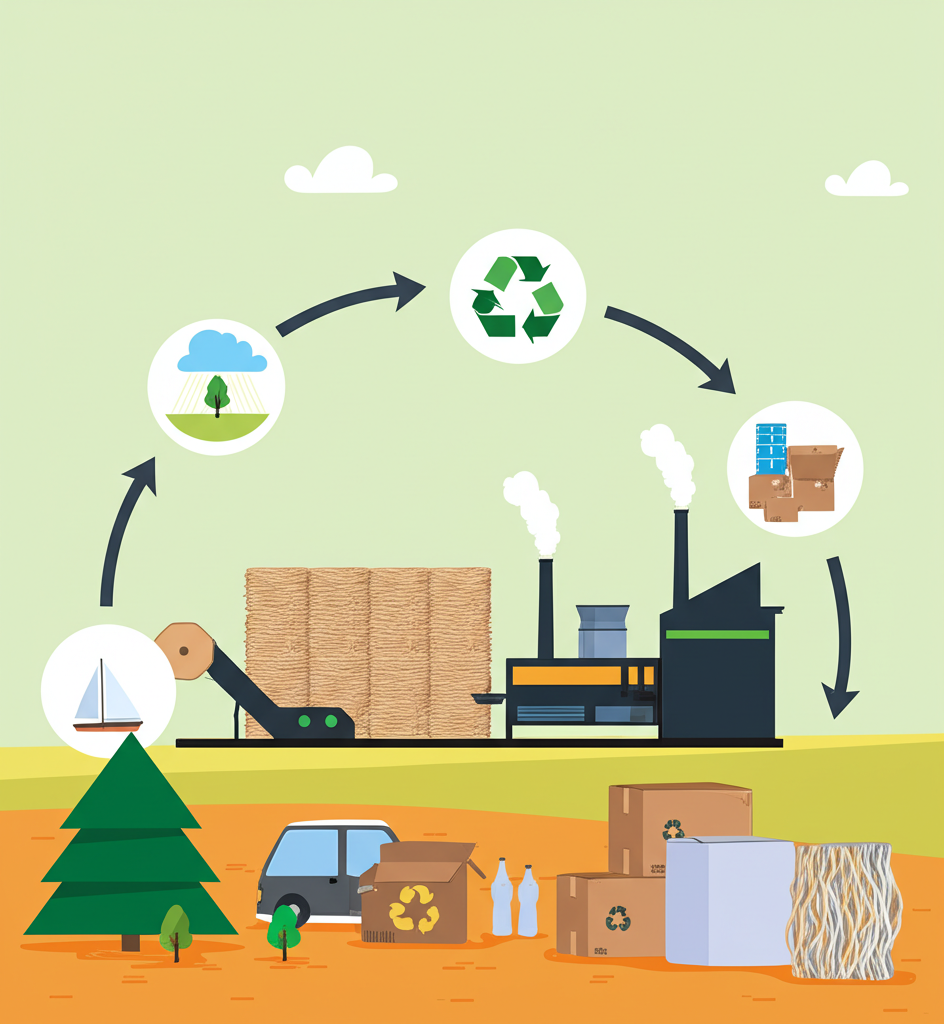
Garden waste being composted into rich soil

"From garden waste to garden gold: the composting cycle"

Need Help with Garden Waste Management?

Adelaide Wheelie Bins offers reliable garden waste collection services to supplement your council collections. Whether you need an extra green bin or a skip bin for a major garden renovation, we've got you covered.